
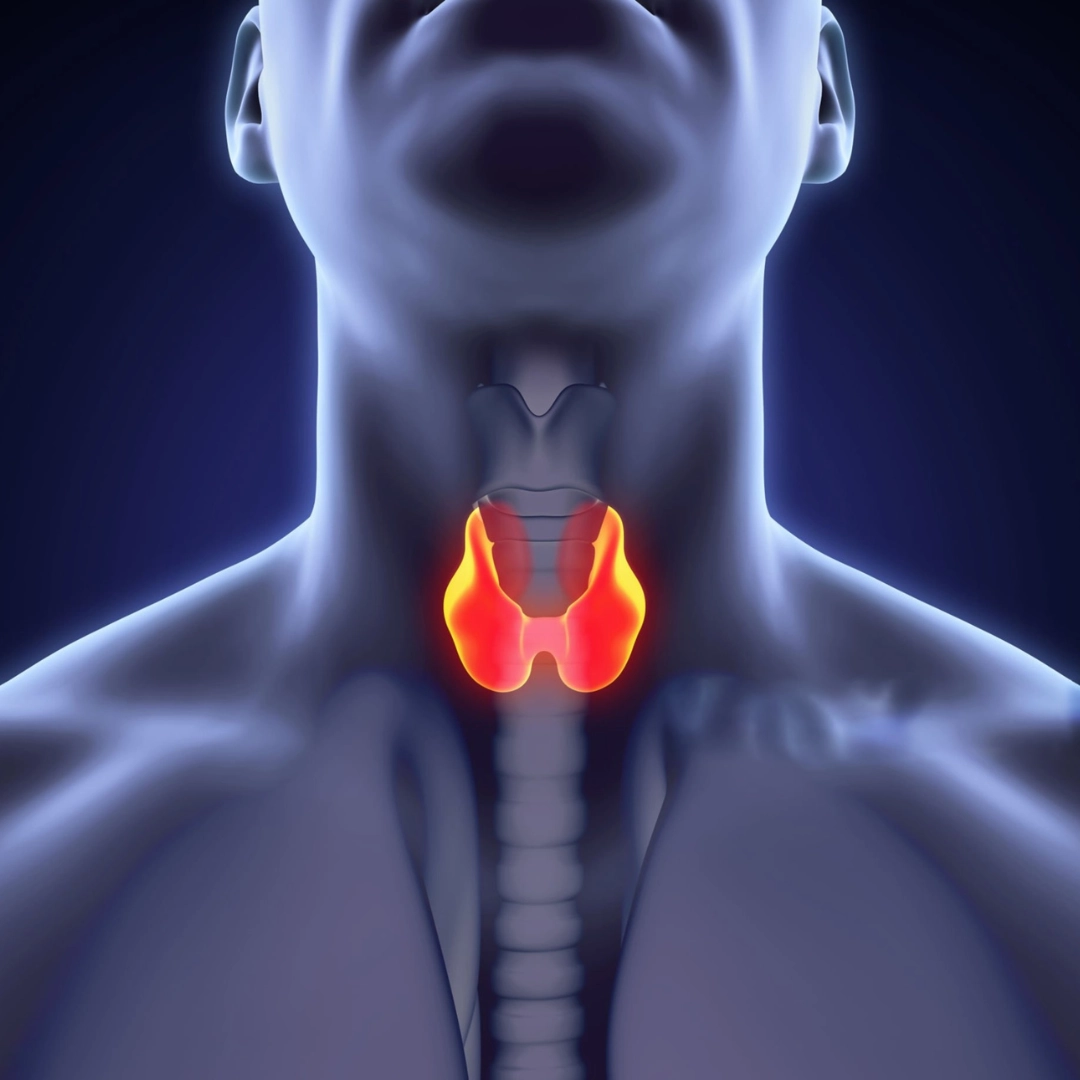



## Observational Overview of Hypothyroidism Care at Homeopathic Consultants, Karachi (Dr. Arham)
Hypothyroidism is a common endocrine disorder, frequently associated with autoimmune thyroiditis (Hashimoto’s disease), in which immune dysregulation reduces thyroid hormone production (T3 and T4). The resulting hypometabolic state may present with fatigue, weight gain, hair thinning or loss, facial puffiness, menstrual irregularities, constipation, low mood, and reduced stamina. Although more common in women, hypothyroidism can occur at any age, including childhood. Population estimates suggest a global prevalence of approximately 3–5%, with higher reported rates among women in South Asia.
Conventional care typically involves thyroid hormone replacement (e.g., levothyroxine) with periodic monitoring of TSH and Free T4, often requiring long-term treatment and follow-up.
At Homeopathic Consultants, Karachi, under the supervision of Dr. Arham, Alhamdulillah, we have managed more than 1,000 cases presenting with hypothyroidism-related symptoms and laboratory abnormalities. In our clinical experience, many patients have shown marked symptomatic improvement with follow-up normalization of thyroid profiles, and a substantial number have been able to discontinue medication without lifelong dependence. These real-world outcomes support the need for structured documentation using standardized measures (baseline labs, symptom scoring, follow-up intervals, and long-term monitoring) to evaluate durability and relapse rates.
*Homeopathic Consultants, Karachi | Dr. Arham*
Weight gain and fluid retention
Facial and pedal swelling
Hair loss and dry skin
Menstrual irregularities
Fatigue, weakness, and lethargy
Mood changes and depression
Frequently asked questions compiled from the source disease page.
Some common symptoms of hypothyroidism include weight gain, persistent tiredness, low energy levels, hair loss, swelling of the body, water retention, headaches, menstrual irregularities, dry skin, and mood changes.
Clinical experience suggests that many cases of underactive thyroid may benefit from homeopathic treatment. Homeopathic medicines aim to support the thyroid gland’s normal function and help regulate thyroid hormone levels.
Based on long-term clinical experience, homeopathic doctors have observed improvement in many patients with underactive thyroid when treatment is started at an appropriate stage.
Some scientific studies have explored the role of homeopathy in hypothyroidism. One such study can be accessed here: https://pubmed.ncbi.nlm.nih.gov/25439038/. Dr S.M Abdur Rauf Arham and his team have also conducted an animal study showing that homeopathic medicines stimulate thyroid hormone activity. This research has been accepted and is awaiting publication. In addition, human clinical studies are currently under review.
Homeopathic medicines are selected on an individual basis, depending on symptoms and overall health. Some commonly used remedies include Natrum muriaticum, Silicea, Iodum, Tuberculinum, Phosphorus, Calcarea iodata, Natrum iodatum, Carcinosin, and Thuja occidentalis.
In early or untreated cases, and in patients who have been on thyroid hormone supplements for up to two years, homeopathic treatment may help reduce dependence on thyroid medication under medical supervision.
2026 Copyright reserved.

Contact our clinic for appointments, follow-ups, and treatment guidance.
Monday: 5:30 PM - 9:30 PM
Tuesday: 5:30 PM - 9:30 PM
Wednesday: 5:30 PM - 9:30 PM
Thursday: 5:30 PM - 9:30 PM
Friday: 5:30 PM - 9:30 PM
Saturday: 5:30 PM - 9:30 PM
Sunday: Closed


Your cart is currently empty